Iceland
15 of July, 2026
July 15, 2026 | 14 min read | Written by Laura Posada
Campervan vs Car Rental in Iceland: A Local's 2026 Guide
Overview
TL; Dr: Camper or car in Iceland? If you are visiting between May and September, love nature, and want to roam without hotel check-ins, book a campervan. Outside those months, or if you prefer more comfort and amenities, book a rental car with accommodation instead. We rent both at Lotus, so we have no reason to push you either way.
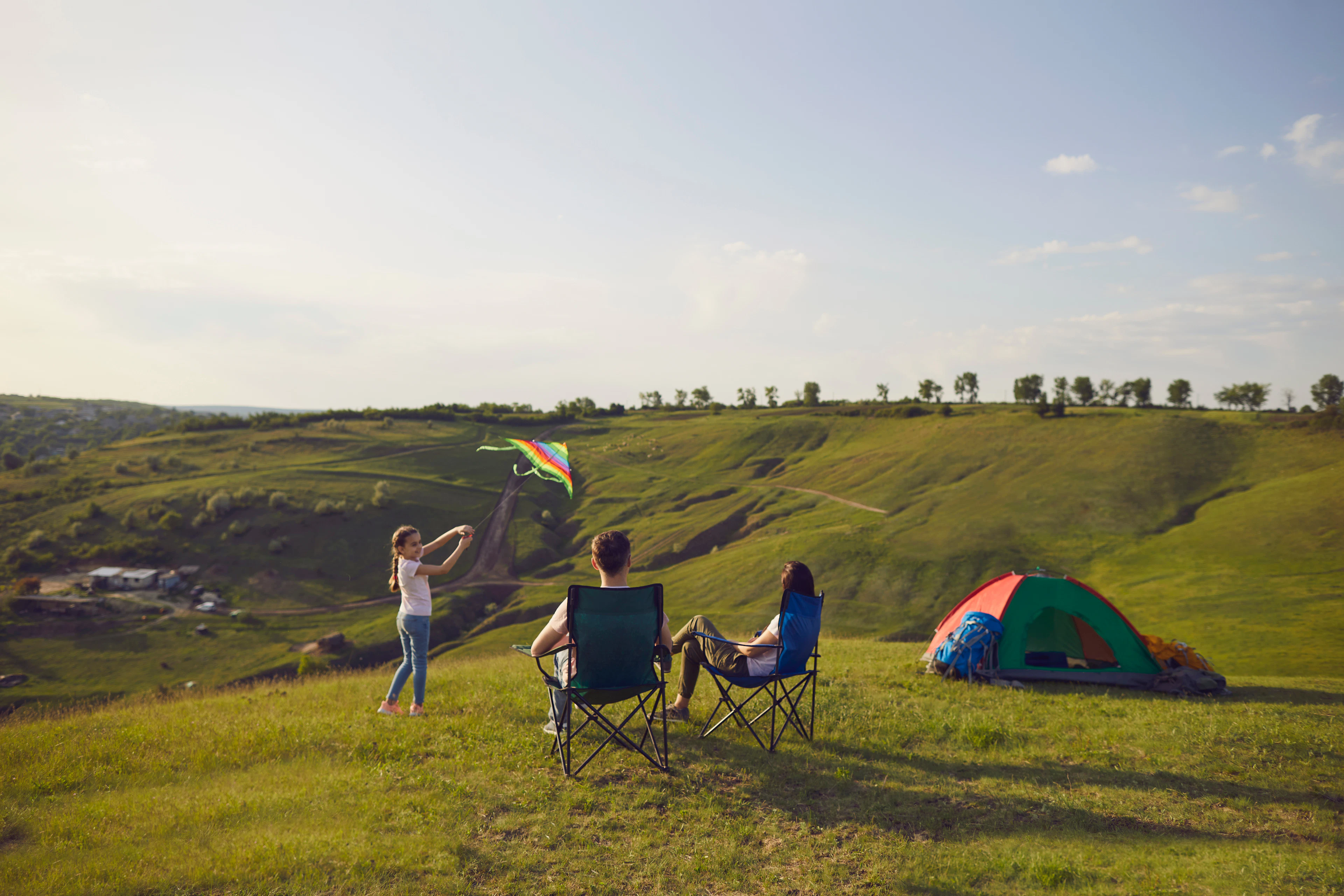
Whether it is your first trip to Iceland or your fifth, the same question comes up every time. As a local who moved here nearly a decade ago, my honest answer is that it depends on the season and on what you want from a country like this. Camping here is underrated: waking up surrounded by mountains in shades of green, red, and blue is a view you learn to appreciate, and most campsites have toilets, showers, and electricity, with some just a couple of minutes from a swimming pool.
This guide walks you through all of it, from the four campers we rent to real 2026 costs, campsites, and the road rules that actually matter.
Why hire a campervan in Iceland?
Hiring a campervan in Iceland gives you the freedom to travel at your own pace, sleep inside the landscapes you came to see, and change your route whenever the weather (or a sudden waterfall) demands it. Your vehicle and your accommodation, all in one, so there are no check-in times, no rebooking panics, and no backtracking to a hotel.
The benefits our customers mention most at the Keflavík counter:
- Total flexibility: follow the sunshine instead of a fixed chain of hotels. In Iceland, where weather rules everything, that matters more than almost anywhere else.
- One budget line instead of two: the camper replaces your nightly accommodation cost, one of the biggest expenses on any Iceland trip.
- Closer to nature: wake up next to a glacier, cook dinner facing a black-sand beach, and fall asleep under the Midnight Sun, or in September, if you are lucky, the northern lights.
- Cook your own meals: with a gas stove and kitchen box, you can shop at Icelandic supermarkets and skip restaurant prices without skipping the views. The main chains to look for: Icelandic cuisine is spectacular, though, so treat yourself to at least one dinner or lunch out.
- Bónus: the budget favourite, found across the island
- Krónan: another reliable, widely available option
- Prís: Kópavogur only
- Costco: Reykjavik. Capital Area only
That said, a campervan is not the right answer for everyone, which brings us to the honest comparison.
Campervan or car rental: which should you choose?
Choose a campervan if you are travelling between May and September, and flexibility matters most. Choose a rental car plus accommodation (a cabin, guesthouse, or hotel; Bungalow and Airbnb are good for cabins) if you are visiting in winter, travelling with more than four people, or you want a hot shower in your own room every night. We rent both at Lotus Car Rental, so we have no reason to push you one way or the other.
| Campervan rental | Car rental + accommodation | |
|---|---|---|
| Sleeping | In the vehicle, at registered campsites | Guesthouses, hotels, cabins |
| Flexibility | Change your route daily, no bookings to cancel | Tied to accommodation reservations |
| Bathroom & shower | At campsite facilities (Lotus campers have no toilet or shower on board) | Private, in your room |
| Best season | May to September | Year-round |
| Winter use | Not available (Lotus campers are summer-season rentals) | Available year-round (4x4 in winter) |
| F-road access | All Lotus campers are 4x4 and F-road allowed | Only with a proper 4x4 rental |
One thing many "campervan vs car" articles get wrong: they treat campervans as huge, hard-to-drive motorhomes. The Lotus camper fleet is built the opposite way. Our two roof-tent campers are normal-sized 4x4 SUVs you can park anywhere a car fits. If you are more than four people, or set on winter travel, read our guide to choosing the best rental car for Iceland instead.
Which campervans can you rent in Iceland?
At Lotus Car Rental you can choose between four campers: two roof-tent campers that sleep two, and two larger campers that sleep four. Every one is a 4x4 and allowed on Iceland's F-roads, the mountain roads of the Highlands, which is rare in the Icelandic camper market.
| Camper | Sleeps | Transmission | F-roads | Best for |
|---|---|---|---|---|
| Dacia Duster 4x4 + Roof Tent | 2 | Manual | Allowed | Couples on a budget |
| Toyota RAV4 4x4 + Roof Tent | 2 | Automatic | Allowed | Couples who prefer automatic |
| Volkswagen California 4x4 | 4 | Automatic | Allowed (no river crossings) | Glamping, families of four |
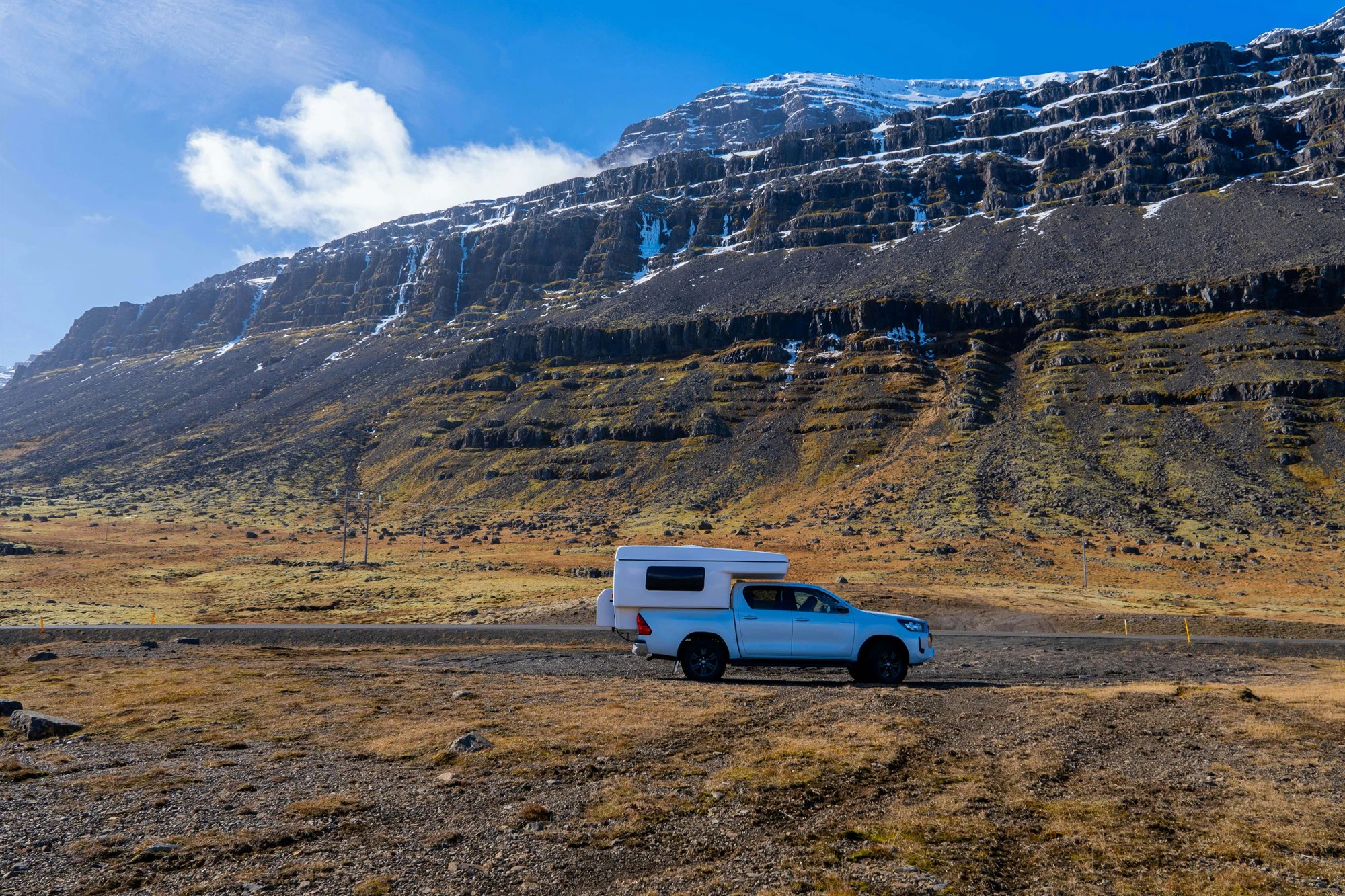
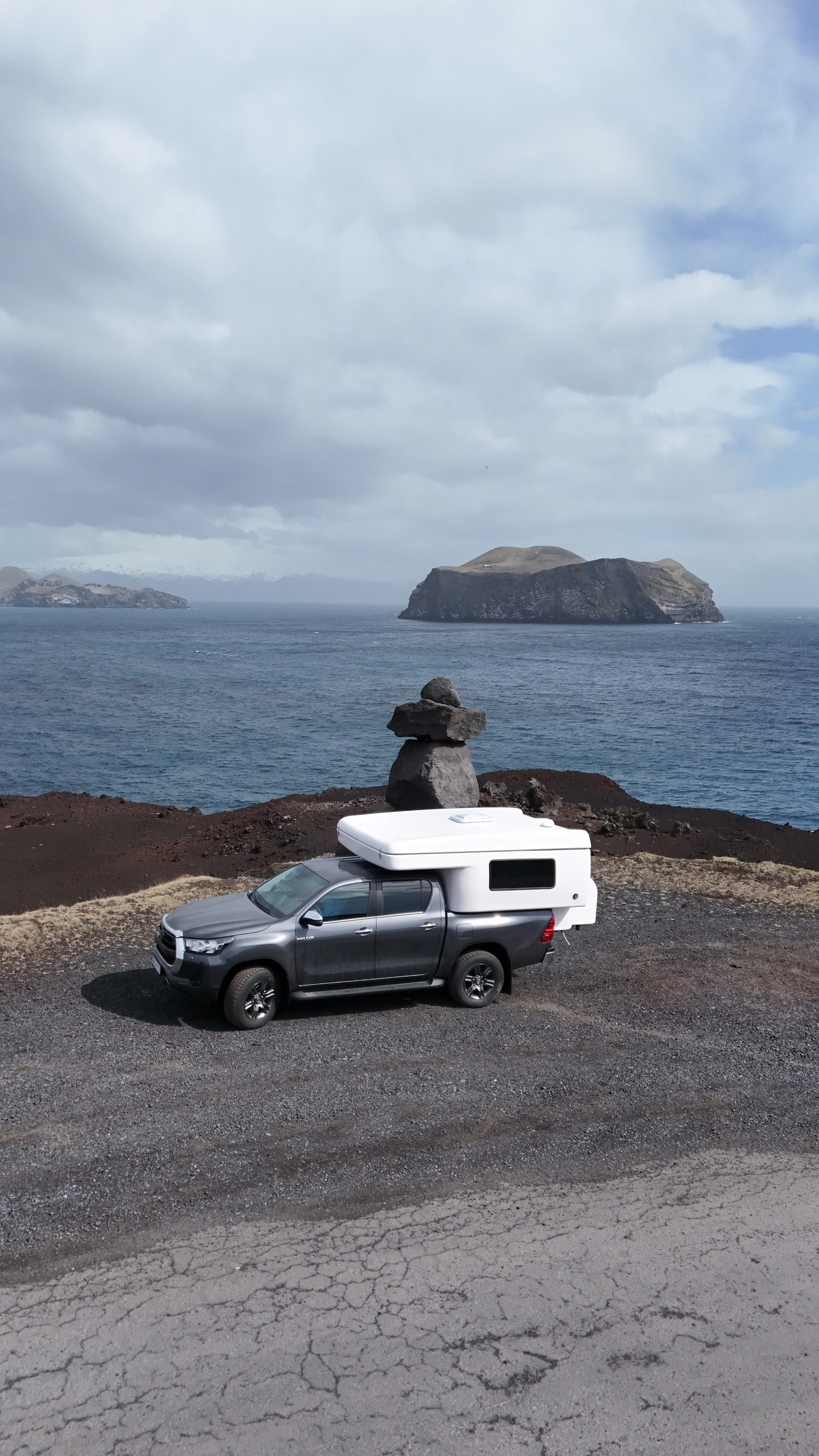
| Toyota Hilux 4x4 Camper | 4 | Automatic | Allowed | Families going far off the Ring Road |
Dacia Duster 4x4 + Roof Tent (sleeps 2, manual)
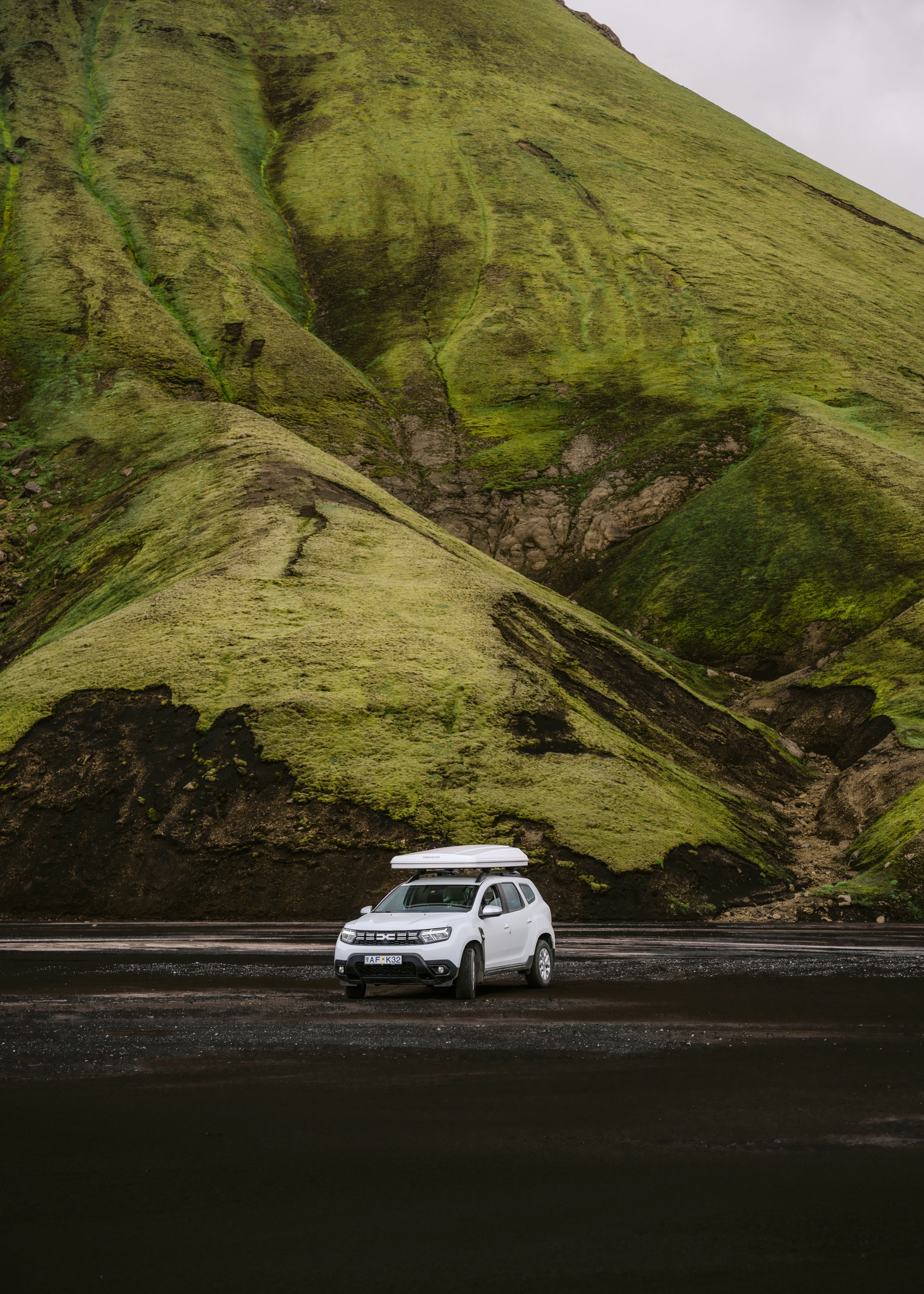
The Dacia Duster with a roof tent is the most budget-friendly camper in the Lotus fleet. It drives like a normal compact 4x4 SUV, because it is one, with a manual gearbox and room for around three to four cases. The roof tent pops up in about 15 seconds and comes with a 140 x 200 cm double mattress (a European double), two pillows, and a height-adjustable ladder.
Pro tip
The Duster roof-tent camper is great on F-roads, including the ones with small river crossings. It is a capable little Highland companion for the price.
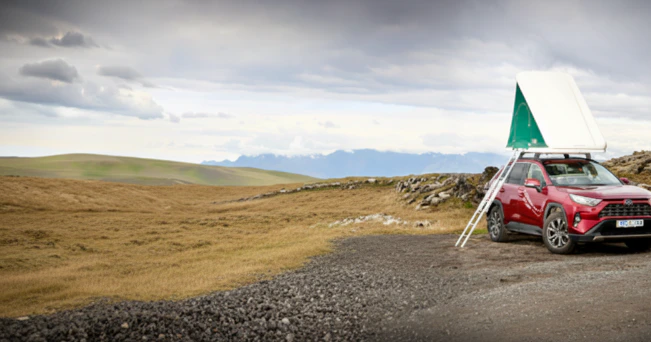
Toyota RAV4 4x4 + Roof Tent (sleeps 2, automatic)
The Toyota RAV4 with a roof tent is the same concept with an automatic transmission and a bit more luggage space, around four cases. If you have never driven a manual, or you just do not want to think about gears on gravel, this is your two-person camper.
Pro tip
Like the Duster, the RAV4 roof-tent camper handles F-roads with small river crossings well. It is a great choice for routes like Landmannalaugar.
Local warning
The river crossing before the Landmannalaugar campsite, coming in from the F208, is challenging, and plenty of cars get stuck there. The best trick: wait for another vehicle to cross first so you can see where the riverbed sits. The safest line is rarely straight through the middle.
Volkswagen California 4x4 (sleeps 4, automatic)
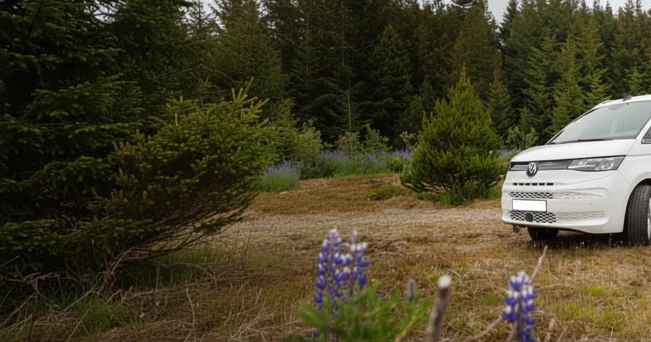
The Volkswagen California 4x4 is the most complete camper we rent, the closest thing to glamping on Icelandic wheels. It sleeps four, has an automatic gearbox, and is the camper our team recommends for families or couples who want maximum comfort. Two honest notes: the California has no sink on board, and like all our campers, no toilet or shower. Campsite facilities cover both.
You do get the freedom of turning the cabin into a living room, dining area, and lounge once you push the roof up for more space. Remember that the roof is also where your bed sits, so keep that in mind when raising it: remove the pillows first and store them in the trunk.
| Volkswagen California: on board | Details |
|---|---|
| Seats | 4 |
| Cooling | Electric cooling box |
| Power | Hybrid mode, plus A/C and heater |
| Kitchen | Built-in stove in the back (no sink) |
| Table | Built-in, removable, for indoor or outdoor use |
| Bedding | Sleeping bags, pillows, and covers included (no comforters) |
| Cooking gear | Included for up to four people |
Pro tip
The California camper is F-road allowed, but not allowed on river crossings. Plan your Highland routes around ford-free F-roads, or pick the Hilux if unbridged rivers are on your route. The California is great for areas like Þakgil and Vestmannaeyjar.
Toyota Hilux 4x4 Camper (sleeps 4, automatic)
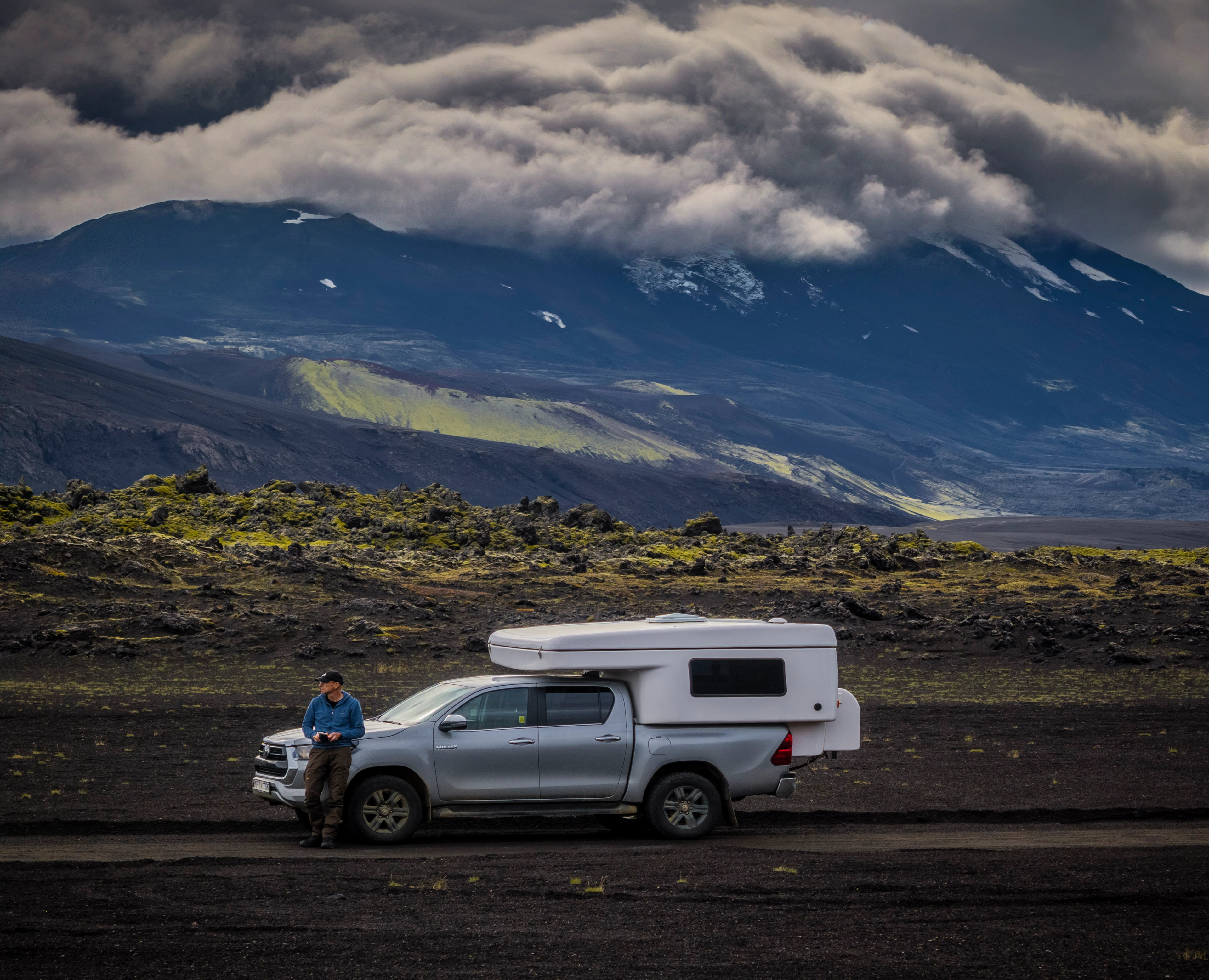
The Toyota Hilux 4x4 Camper is a pickup truck with a camper unit, the toughest camper in the fleet. It seats five and sleeps four, with the most luggage room (around five cases). If your route includes long gravel stretches or Highland detours, the Hilux is the one built for it.
| Toyota Hilux Camper: on board | Details |
|---|---|
| Seats / sleeps | Seats 5, sleeps 4 |
| Kitchen | Built-in stove and sink |
| Table | Interior table, removable to access and build the lower bed (see the transformation video) |
| Second bed | Hydraulic pop-up roof tent with heating, which also frees up living space below |
| Fridge | Built-in |
| Power | 230V CEE hookup so you can run the functions without draining the batteries |
| Included | Kitchen utensils and cooking items for up to four, plus sleeping bags |
Pro tip
For the most demanding trips, like Þórsmörk or Askja, we recommend the Hilux Camper. Its low-range (L4) mode and extra ground clearance make it right for the harder F-roads.
Battery tip
Keep the lights switched on while driving so the camper batteries charge. If they are off, the power does not convert to the vehicle batteries, and they will not charge.
The honest part most rental companies skip: none of our campers has a toilet or a shower on board, and the California has no sink. In practice this matters less than you might think, because Icelandic law requires campervans to overnight at registered campsites anyway, and campsites have bathrooms, showers, and washing-up areas. But you should know it before you book, not after you land.
What is included in your Iceland camper rental?
Every Lotus camper rental includes insurance, unlimited mileage, no deposit, a free Keflavík Airport shuttle, free cancellation, 24/7 roadside assistance across Iceland, and access to the Lotus Assistance web app. The roof-tent campers come with a 140 x 200 cm double mattress, two pillows, and a height-adjustable ladder, and we show you how the tent works at pickup.
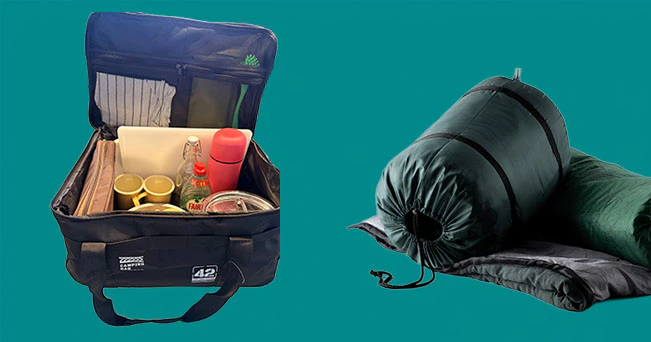
Because many visitors fly in with baggage limits, you can also hire extras with your camper instead of packing them:
| Extra | Included? |
|---|---|
| Sleeping bags | Included in the California and Hilux; hireable with the roof-tent campers |
| Camping chairs and tables | Available to hire |
| Gas stoves and kitchen boxes | Included in the California and Hilux; hireable with the roof-tent campers |
| Child seats | Add them under Extras when booking |
Double-check your booking confirmation for exactly what is on board your model, and email us before arrival if you are unsure. It is faster to add an extra before you land than at the counter.
How much does campervan hire in Iceland cost in 2026?
Campervan hire in Iceland typically costs more per day than a comparable rental car, but it replaces your accommodation budget, which is one of the highest costs on any Iceland trip. The honest way to compare is total cost for your group, not the daily rate alone.
Five cost factors decide the total. Here they are at a glance, with the 2026 figures pulled out:
| Cost factor | What to know | Typical 2026 figures |
|---|---|---|
| Daily rate vs. accommodation | Compare the camper's daily rate against a car plus a night's lodging for your group, not against the car alone. Two people in summer: the camper usually wins. Four people: the California or Hilux competes with two hotel rooms, which is where the savings get real. | Depends on group size and dates |
| Season | June through August is peak demand, so book early to lock in better rates. May and September give you the same landscapes with lighter demand. | Peak: Jun to AugBest value: May, Sep |
| Campsite fees | Paid per person, per night, at registered campsites. Showers or electricity are sometimes extra. Prebook popular sites on Tjalda.is. | ~1,500 to 2,500 ISK per person per night (about 12 to 20 USD), plus a 400 ISK overnight tax |
| Fuel | Stations can be sparse between towns in the countryside and the Westfjords, so top up whenever you can. Half a tank is the new empty. | N1 key chip saves 7 ISK per litre (included in every rental) |
| Food | Buy groceries before you leave the city. Bónus, Krónan, and some Hagkaup stores exist around the island, but they are fewer and farther between. | Casual meal from ~3,000 ISK (~23 USD); upscale from ~7,000 ISK (~60 USD) |
Pro tip
Instead of paying at every stop, the Camping Card (Útilegukortið) can cut a big chunk out of campsite fees on longer trips. In 2026, it costs about 26,000 ISK, covers two adults and up to four children under 16 for up to 28 nights at 40-plus sites, and is valid until 15 September. Note it does not include the 400 ISK overnight tax, showers, or electricity. It pays off once you exceed roughly seven to ten paid nights as a couple or family. You can add it when booking your Lotus camper.
What you will not pay at Lotus: no deposit if you reserve with a credit card, regardless of insurance (and no deposit on a debit card either for Platinum Insurance clients); no mileage overage fees; no airport shuttle fee; and no cancellation fee (free up to 24 hours before pickup). The price you see is close to the price you pay.
When should you book, and what documents do you need?
Book several months ahead if you are travelling between June and August. The Lotus camper fleet is specific, only four models, and peak summer weeks sell out well in advance. The California is always the first to go. With free cancellation included, booking early costs you nothing in flexibility.
For documents, keep it simple:
- A valid driver's license. If it is in English or uses Latin characters, it is accepted. If it is not in Latin characters, bring an International Driving Permit alongside it.
- Your passport, or a valid national ID if you are from within the EU or EEA, for identification at pickup.
- A payment card in the name of the renter or driver.
On insurance, essential coverage is included with every rental, and for camper trips we recommend Platinum Insurance together with Roadside Protection. Here is how the levels compare:
| Level | Self-risk (CDW) | Covers what matters in Iceland |
|---|---|---|
| Silver | Reduced to 150,000 ISK | Basic collision and theft. No cover for flood, animal, or river-crossing damage. |
| Gold | Reduced to 65,000 ISK | Lower self-risk, but still no flood, animal, or river-crossing damage. |
| Platinum (recommended) | Most complete cover in Iceland | The only level that covers F-road damage, plus gravel, wind gusts, ash, and river crossings. River-crossing damage carries a 0 ISK deductible, which almost no other Iceland rental insures at all. Covers scenarios Silver and Gold do not. |
| + Roadside Protection(add to any level) | Add-on | Towing, key delivery, and jump-start assistance at no extra cost when you need them. A lifesaver in isolated, remote areas. |
River crossings are the part most travellers overlook, and this is where Platinum really stands apart: most Iceland car rentals do not insure river-crossing damage at all, while with Platinum your deductible for a river crossing is 0 ISK. The one exception is Króssá, the notorious river in Þórsmörk, which no insurance in Iceland covers, because crossing it is treated as negligence. Gravel, wind gusts, and ash are the other classic Icelandic surprises, and Platinum is also the only level that covers F-road damage, which is exactly where campers go. Our complete guide to rental car insurance in Iceland explains what each level covers, and age and license requirements for campers are listed in the Lotus FAQ.
Can you sleep anywhere in a campervan in Iceland?
No. In Iceland, campervans and cars with roof tents are required by law to spend the night at registered campsites. Conservation legislation passed in 2015 ended the era of free camping in vehicles, and the rule is enforced. The upside: Iceland has a dense network of campsites, including some next to waterfalls, hot springs, and black-sand beaches, so "campsite" here rarely means "parking lot."
Plan your overnight stops the way you would plan fuel stops. Many campsites offer showers, kitchens, and laundry, and most operate from late spring to early autumn, matching the camper season. In peak weeks, arriving earlier in the evening secures a better spot. The Icelandic Environment Agency (ust.is) publishes the official camping rules, and our own guide to camping in Iceland covers the details.
Leave no trace, and never drive off-road.
As locals, we mean this sincerely. Stick to marked paths and campsites, and take your waste with you. Off-road driving is illegal in Iceland, and it scars the moss for decades. No insurance covers off-road damage because it counts as negligence, but the bigger loss is the fragile nature itself. Iceland's untouched landscapes are the whole reason you came. Help us keep them that way.
When is the best time for a campervan road trip in Iceland?
The best time for a campervan road trip in Iceland is May through September. You get mild temperatures, the Midnight Sun in June and July, Highland roads opening from around late June (check road.is for openings), and the full campsite network in operation. September even adds a real chance of northern lights over your roof tent, a combination you cannot book in any hotel.
- June to August: peak season. Nearly endless daylight, every region accessible, busiest campsites. Book everything early.
- May and September: the shoulder sweet spot. Fewer travellers, lower demand, spring blooms or golden autumn light, and in September, aurora season begins while most campsites are still open.
Outside that window, Lotus does not rent campers at all, because Icelandic weather after summer is harsh and unpredictable. Snow storms close roads, temperatures drop fast, and sleeping in a camper in winter adds a real safety risk. For winter trips, choose a regular 4x4 rental car and warm guesthouses or hotels instead. Always check safetravel.is and vedur.is before every driving day, in every season. Icelandic weather does not read your itinerary.
Can you watch the August 2026 solar eclipse from a campervan?
Yes, and a campervan may be the smartest way to do it. On Wednesday, 12 August 2026, a total solar eclipse crosses western Iceland, the first one visible here since 1954 and the last until 2196. The path of totality sweeps the Westfjords, the Snæfellsnes Peninsula, Reykjavík, and the Reykjanes Peninsula. Hotels along that path sold out and jumped in price more than a year ahead, so a camper is often the only flexible, affordable bed left inside the zone.
The eclipse is a mid-afternoon event. The partial phase begins around 16:47, totality falls around 17:48 (about 5:48 PM), and the show ends near 18:47, with the Sun sitting low, roughly 25 degrees above the horizon, in the west-southwest. That low Sun matters: choose a spot with a clear west-southwest sightline. Totality lasts longest on land at Látrabjarg in the Westfjords (about 2 minutes 13 seconds), around 2 minutes across western Snæfellsnes, about 1 minute in downtown Reykjavík, and roughly 1 minute 38 seconds near Keflavík Airport.
Here is the local reality most guides skip. The Icelandic Road and Coastal Administration expects very heavy traffic across the whole western half of the country that day, with reduced speed limits and traffic management from early morning. The roads out to Látrabjarg are narrow, and there has even been talk of limiting car access. So the camper play is simple: get into the path a day or two early, park at a campsite inside or beside the zone, and skip the 12 August gridlock entirely.
- Snæfellsnes Peninsula: the easiest choice, about three hours from Reykjavík, with campsites around Hellissandur and Ólafsvík and roughly two minutes of totality on the western tip. Lava fields and the Snæfellsjökull glacier make an unforgettable backdrop.
- Westfjords: the longest totality on land at Látrabjarg, with campsites like Melanes nearby, but the most remote option and the most traffic-managed. Best for travellers who plan ahead and arrive early.
- Reykjanes Peninsula: closest to Lotus and Keflavík Airport, with over a minute and a half of totality, dramatic coastal cliffs, and even a chance of an active volcano in the distance.
Pro tip
As a bonus, the Perseid meteor shower peaks the same night, and late August nudges into early aurora season, so a camper lets you stay out under dark skies long after the day crowds have driven home. Wear certified eclipse glasses throughout the partial phases, and only remove them during totality itself.
The date lands squarely in camper season (May to September), which is perfect, but it also means August 2026 will be the busiest camper summer in living memory. If the eclipse is your reason to come, book your camper as early as you possibly can. For viewing spots and photography tips, see our dedicated guide to the 2026 total solar eclipse in Iceland.
What are the best routes and must-see stops by campervan?
The best campervan routes in Iceland are the Golden Circle for a first taste, the South Coast for waterfalls and black-sand beaches, and the full Ring Road (Route 1) if you have a week or more. With a 4x4 Lotus camper, you can add Highland detours most people miss.
- The Golden Circle: Þingvellir National Park (where two tectonic plates meet), the erupting Strokkur geyser at Geysir, and Gullfoss waterfall. The classic loop, easily done with campsite stops. See our Golden Circle guide.
- The South Coast: Seljalandsfoss (the waterfall you can walk behind), Skógafoss, and Reynisfjara black-sand beach. Always respect the sneaker waves at Reynisfjara.
- The Diamond Circle (North Iceland): Möðrudalur á Fjöllum (Fjalladýrð) and Mývatn. Near Akureyri, Iceland's third-largest urban area, Kjarnaskógur is a lush forest park with lovely, easy hiking paths.
- The Westfjords: remote cliffs, empty roads, and wildlife. This is where a camper's flexibility pays for itself, because accommodation out here is scarce but campsites are not.
- The Ring Road: Iceland's Route 1 circles the whole island. Our Ring Road guide and 7-day itinerary pair perfectly with a camper.
Pro tip
A worthwhile small detour is camping on Vestmannaeyjar (the Westman Islands). You can take the camper on the ferry: prebook both the ferry crossing and the campsite in advance.
If the Highlands are calling, like Landmannalaugar or Þórsmörk, read our complete guide to driving F-roads in Iceland first. All four Lotus campers are F-road allowed, and only Platinum Insurance covers F-road damage.
Our top campsites for every Lotus camper
These are the three campsites our team keeps recommending at the counter, matched to the camper you are driving, because access roads matter as much as the view.
| Campsite | Best for | Why we love it |
|---|---|---|
| Þakgil | All four campers | A green canyon hideaway near Vík, tucked behind the mountains at the end of a scenic gravel road. One of the most sheltered campsites in South Iceland. |
| Kerlingarfjöll | Duster, RAV4, Hilux | Camp at the doorstep of a geothermal mountain range in the Highlands. The access roads are less maintained, so we would not send the California here: it sits too low for the terrain. |
| Hveragerði | All campers | The geothermal town on the doorstep of the Golden Circle. A perfect base for the classic loop. |
Pro tip
The best trick at Hveragerði: the campsite sits right by the Golden Circle, there is a swimming pool just behind it, and the Reykjadalur hot-spring valley, where you can bathe in a warm river, is right next door. Golden Circle by day, hot river by evening.
Driving in Iceland: road rules and safety tips
Driving in Iceland is easy by international standards, with light traffic and well-signposted roads, but the conditions are unlike anywhere else. A few rules and habits keep your camper trip smooth:
- Headlights on at all times. It is the law in Iceland, day and night.
- Never drive off-road. It is illegal, heavily fined, and it destroys fragile vegetation.
- Watch for single-lane bridges. Slow down well before them; the closer vehicle has priority.
- Respect gravel roads. Reduce speed when the surface changes, and give oncoming cars room to avoid windshield chips.
- Mind the wind. Hold your door firmly when opening it, and park nose-first into the wind at stops. Wind damage to doors is one of Iceland's most common rental claims.
- Check before every drive: road.is for road conditions, vedur.is for weather, and safetravel.is for alerts. Ten minutes over breakfast saves whole days.
- Livestock happens. Sheep cross roads everywhere in summer, often in confident little groups. Slow down; they were here first.
What is the difference between F-roads and paved roads in Iceland?
Every road in Iceland is marked with a name, a number, or a sign. An "F" prefix stands for "fjall," meaning mountain. F-roads open only in summer, roughly mid-June to September, are not maintained as often as paved roads, and legally require a 4x4. Driving a two-wheel-drive car on an F-road is both illegal and unsafe, and it can cost you unnecessary fines and a lot of trouble on your trip.
What do I do if I have an emergency in my campervan?
If anything goes wrong, Lotus roadside assistance covers all of Iceland, 24/7, from city streets to the Highlands. The number is in your rental documents and on your keychain, and it is in the Lotus Assistance web app. Pull over safely, switch on your hazard lights, and call. Our full driving in Iceland guide goes deeper on all of this.
What should you pack for a campervan trip in Iceland?
Pack for four seasons in one day. That is not a saying here, it is a forecast. The essentials for a comfortable camper trip:
- Waterproof jacket and trousers (waterfall mist counts as rain)
- Warm layers: a fleece or wool mid-layer, a hat, and gloves, yes, even in July
- Sturdy hiking boots with grip for wet paths and gravel
- Swimwear, because Iceland's geothermal pools are the best reward after a driving day
- A refillable water bottle, since Icelandic tap water is pure and free everywhere
- A power bank and a European adapter, because maps and photos drain phones fast
- Offline maps downloaded before you leave Reykjavík, as cell service can drop in remote fjords and the Highlands
- An eye mask for the Midnight Sun (trust me on this one)
Skip the bulky gear: sleeping bags, camping chairs and tables, gas stoves, and kitchen boxes can all be rented with your Lotus camper.
An Icelandic perspective
A few things we tell customers at the Keflavík counter that rarely make it into travel blogs:
- Park nose-first into the wind before opening the tent. Icelandic wind gusts are the number one cause of trouble with rooftop tents and car doors. Turning the vehicle takes ten seconds and saves the evening.
- The 15-second tent is real, but practise once in daylight. Do one dry run at your first campsite so you are not learning it at midnight in the rain. There is a short video that shows how it works.
- Book the camper before the flight, not after. Our fleet is specific, only four models, and summer weeks sell out well in advance. The California goes first.
- Fuel up when you can, not when you must. Between towns in the East and the Westfjords, the next station can be a long way off. Half a tank is the new empty.
- Do not fear September. Campsites empty out, the light turns golden, and aurora season begins while most sites are still open. It is our favourite camper month, and we live here.
Frequently asked questions
Ready to explore Iceland with your bed on board? Book your campervan with Lotus Car Rental. We are five minutes from Keflavík Airport with a free shuttle, and we will have the roof-tent demo ready when you land.