

4 of March, 2025
March 4, 2025 | 6 min read
Total Solar Eclipse 2026 in Iceland: Best Viewing Locations, Car Rental & How to Watch Tips
Overview
August 12, 2026, will be an unforgettable day in Iceland as hundreds of eclipse chasers flock to the island for the Total Solar Eclipse that hasn't occurred since 1954. Discover the best eclipse viewing spots and essential travel tips to experience this rare celestial phenomenon in Iceland. From breathtaking landscapes to insider advice, our guide reveals exactly where and when to catch the Total Solar Eclipse in Iceland, ensuring your August 2026 adventure is truly epic.
Why is Iceland the Best Destination to See the Total Solar Eclipse in August 2026?
This coming year in 2026, the northern regions of Europe will be among the best spots to see the total solar eclipse. Iceland, Greenland, and parts of Portugal and Spain will have full visibility of the eclipse.
In particular, Iceland will be one of the most desirable places to view the total solar eclipse, because the umbra, the moon's darkest part of its shadow, will pass directly over the country. This means that during totality, the sun will be completely covered by the moon, providing Iceland with the perfect opportunity to witness a total solar eclipse.
The total solar eclipse, which will take place on August 12, 2026, is a remarkable phenomenon. The last total solar eclipse in Iceland occurred in 1954, and the first one recorded was in 1433.
The western part of Iceland is one of the few regions in the world with total visibility. The eclipse will first be visible in the Western Fjords of Iceland at 17:43 UT. As the moon's umbra continues to travel, the shadow will move south towards the Snæfellsnes Peninsula, Reykjavik, and finally Reykjanesbær (the peninsula near the most recent volcanic area in Grindavik). At 17:50 UT, the last bit of the moon's umbra will leave Reykjanestá Lighthouse, and it will move towards Spain at 18:25 UT.
So hurry and start booking your flights, your car rental, and accommodation in advance.
What is a Total Solar Eclipse?
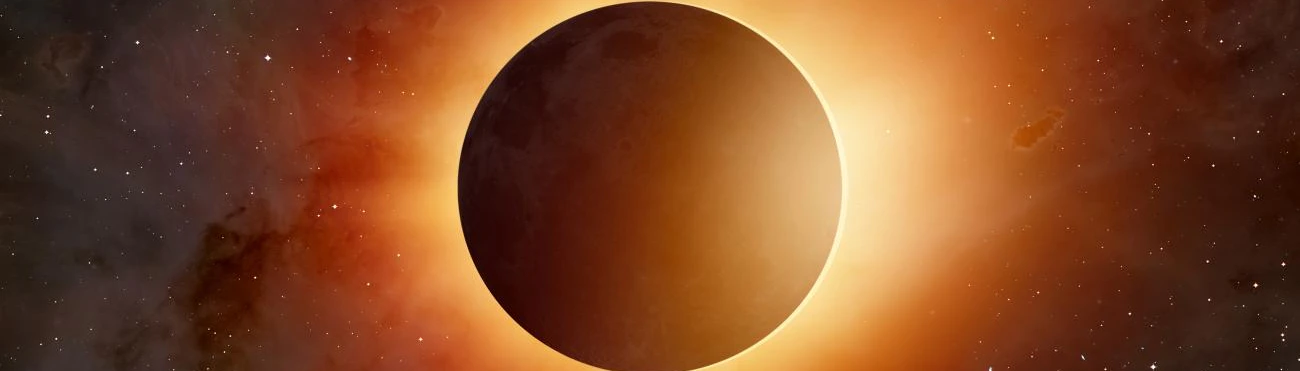
A total solar eclipse occurs when the Moon passes between the Earth and the Sun, completely blocking the Sun’s light for a short period. This creates a brief moment of daytime darkness, revealing the Sun’s corona. Such events are rare and visible only from specific locations.
It is not necessary to wear eye protection during the total phase of a solar eclipse, but during the partial phases, it is crucial.
Difference Between a Lunar and a Partial Eclipse
A lunar eclipse occurs when the Earth comes between the Sun and the Moon, casting a shadow on the Moon. This can result in a total or partial lunar eclipse, depending on how much of the Moon is covered by Earth's shadow.
A partial solar eclipse happens when the Moon only partially covers the Sun as viewed from Earth, creating a crescent-like appearance. Unlike a total solar eclipse, the Sun is never completely blocked, requiring proper eye protection at all times.
On August 12, 2026, the same eclipse will be seen as a partial solar eclipse in Europe, Africa, North America, the Atlantic Ocean, the Arctic Ocean, and the Pacific Ocean.
An Eclipse Never Comes Alone
A solar eclipse always occurs about two weeks before or after a lunar eclipse.
Usually, there are two eclipses in a row, but at other times, there are three during the same eclipse season.
March 2025 Partial & Lunar Eclipse
The March 14, 2025, lunar eclipse will last for approximately 4 hours, starting at 3:57 AM and ending at 7:31 AM GMT.
The March 29, 2025, partial solar eclipse will last for 2 hours, 1 minute, and 25 seconds, beginning at 10:05:47 AM and ending at 12:07:12 PM GMT.
The August 28, 2026, lunar Eclipse will be visible in parts of Europe, Africa, and the Americas.
Toyota Land Cruiser Credit: Alessandro Muller
Best Car to Rent in Iceland to Watch the Solar Eclipse
To explore Iceland and reach the best eclipse-viewing locations, renting a car is essential. For travel in August and March, the best car options include:
- Hilux: A powerful and reliable 4x4 for rugged terrains.
- Land Cruiser 150: Ideal for comfort and off-road capability.
- Land Cruiser Super Jeep: Perfect for extreme conditions and adventurous travelers.
- Honda CRV: A versatile and fuel-efficient choice for smooth driving.
Secure your rental car with Lotus Car Rental today and travel hassle-free during these celestial events.
Best Viewing Locations
For the best experience, consider heading to these prime viewing spots in Iceland:
- Thingvellir National Park: A UNESCO World Heritage Site offering a stunning landscape to witness the eclipse.
- Snæfellsnes Peninsula: Remote, scenic, and away from city lights for an unobstructed view.
- Westfjords: One of the darkest and most secluded locations, ideal for astrophotography.
Recommended Clothing
Despite being in August, Iceland’s weather can be unpredictable. We recommend bringing:
- Thermal layers: To stay warm as Icelandic temperature starts to cool down in the fall.
- Waterproof jacket: Iceland’s weather can vary and change rapidly. Waterproof everything is a must in Iceland.
- Sturdy hiking boots: Throughout different regions in Iceland the terrain will vary from rugged gravel, black sand, and mud it´s wise to have shoes that have a good grip and are sturdy.
- Gloves and hats: Especially if you are in higher elevations.
- Lopa Peysa: Traditional Icelandic wool sweater to keep warm and stylish.
Travel Tips for Eclipse Chasers
Start planning early and before booking keep these essential tips in mind:
- Book Early: Hotels, car rentals, and flights will fill up quickly. Make reservations well in advance.
- Choose Your Viewing Spot: Decide where you want to view the eclipse beforehand and plan your route accordingly.
- Check the Weather: Iceland’s weather can change rapidly. Stay updated on forecasts and have a backup location if necessary.
- Gottvedur, safetravel.is, and vedur.is
- Pack Smart: Bring essential eclipse-viewing gear, warm clothing, and emergency supplies for unexpected weather conditions.
Photography Tips for Capturing the Eclipse
Capturing a solar eclipse requires the right photography equipment and techniques to ensure stunning images while protecting your gear.
Essential Eclipse Photography Equipment:
- DSLR or Mirrorless Camera: A camera with manual settings allows for better control over exposure and focus.
- Solar Filter: A must-have for safely photographing the eclipse without damaging your camera sensor.
- Tripod: Essential for keeping your shots stable during long exposures.
- Remote Shutter Release: Minimizes camera shake and ensures sharper images.
- Telephoto Lens (200mm+): Allows for detailed close-up shots of the Sun and Moon.
Best Camera Settings for Solar Eclipse Photography:
- ISO: Keep ISO low (100-400) to reduce noise.
- Aperture: Use f/8 to f/11 for sharper images.
- Shutter Speed: Adjust depending on the eclipse phase (1/1000s for partial, slower for totality).
- Manual Focus: Autofocus may struggle in low light, so switch to manual settings for precise control.
Pro Tip: Practice photographing the Moon before the eclipse to get comfortable with the settings and adjustments.
Special Eyewear & Safety
Looking directly at the Sun during a solar eclipse without protection can cause severe eye damage, including permanent blindness. It is essential to use certified solar viewing glasses or eclipse filters when watching the event. Regular sunglasses are not sufficient for eye protection. Alternative safe viewing methods include pinhole projectors and telescope solar filters.
DIY Solar Eclipse Projector
If you don't have solar viewing glasses, you can create a safe and simple pinhole projector using a cardboard box. This method allows you to watch the eclipse without looking directly at the Sun.
Materials Needed:
- A cardboard box (shoebox or cereal box works well)
- Aluminum foil
- A pin or small nail
- White paper
- Tape and scissors
Instructions:
- Cut a small hole (about 1 inch) on one side of the cardboard box.
- Tape a piece of aluminum foil over the hole.
- Use a pin to poke a tiny hole in the foil.
- On the opposite side inside the box, tape a piece of white paper to serve as your projection screen.
- With your back to the Sun, allow sunlight to pass through the pinhole, projecting an image of the Sun onto the white paper inside the box.
This simple projector is a great way to safely observe the eclipse without risking eye damage.
Final Thoughts
The upcoming eclipses in Iceland, including the total solar eclipse in 2026, make it a top destination for astronomy lovers. Plan ahead and secure your car rental with Lotus Car Rental today to ensure easy access to the best viewing locations. Don’t miss out on these once-in-a-lifetime celestial events!
Book your tickets and hotel stay in advance.
Follow live updates at timeanddate.com to preview the exact times and regions where the solar eclipse will be seen in its totality.